
Therapeutic Ultrasound
A non‑invasive sound‑wave treatment to support soft tissue healing and reduce pain.
Therapeutic Ultrasound
About therapeutic ultrasound
Therapeutic ultrasound is a physiotherapy modality that uses high‑frequency sound waves to gently deliver energy into muscles, tendons and other soft tissues beneath the skin. It has been used in clinical practice for decades as part of a broader rehabilitation plan to help manage pain, encourage circulation and assist with tissue healing.
What is therapeutic ultrasound for?
This treatment is primarily used to support recovery from soft tissue injuries and discomfort. It may be considered for conditions where inflammation, reduced mobility, scar tissue or chronic pain are present, and when your physiotherapist includes it as an adjunct to exercise, manual therapy and education rather than as a standalone solution.

How therapeutic ultrasound may help
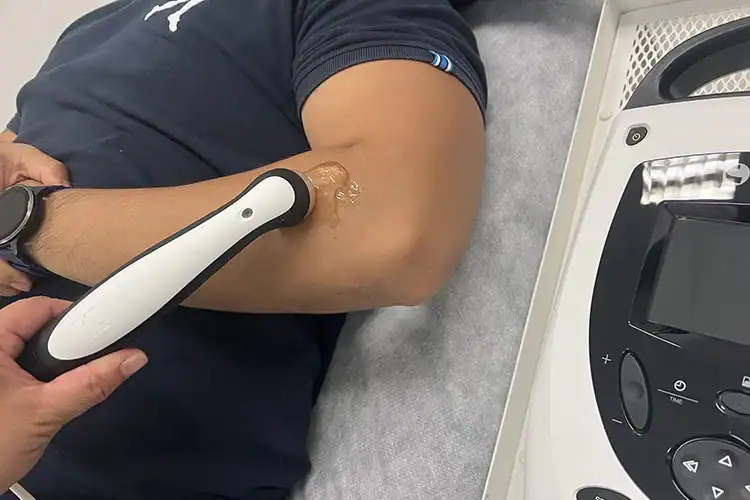
Therapeutic ultrasound works by transmitting sound waves through a handheld probe into the targeted tissues. These waves create mechanical and thermal effects that can increase local blood flow, reduce tissue stiffness, promote cellular activity and help ease discomfort. When used in combination with active rehabilitation, this can contribute to improved comfort, greater mobility and enhanced healing over time.
Ready to support your healing?
Therapeutic ultrasound: how it works
During a session, a physiotherapist applies a conductive gel to the skin and moves an ultrasound transducer over the affected area. The device emits high‑frequency sound waves that penetrate soft tissue and interact with cells beneath the surface. This process may generate gentle heat and mechanical micro‑vibrations in tissues such as muscles, ligaments and tendons, helping to improve circulation and encourage the body’s natural recovery mechanisms.

Frequently asked questions
Is therapeutic ultrasound painful?
Therapeutic ultrasound is generally comfortable. Most people feel little to no sensation, though some may notice mild warmth or tingling during treatment.
What conditions might benefit from ultrasound?
This modality may be used to support healing and symptom management for soft tissue injuries, tendon irritation, chronic discomfort and areas with stiffness. Your physiotherapist will assess whether ultrasound is suitable as part of your care.
How many sessions will I need?
The number of sessions varies depending on your specific condition, its severity and how you respond to treatment. Some people notice improvements over multiple treatments scheduled over weeks.
Does ultrasound replace exercise or other therapy?
No — therapeutic ultrasound is a supportive modality. It’s most effective when combined with active rehabilitation such as targeted exercise, movement retraining and manual techniques prescribed by your physiotherapist.
Why us?
Integrated physiotherapy care
We use therapeutic ultrasound as part of a comprehensive treatment approach, combining passive modalities with hands‑on care, tailored exercise and education to support long‑term recovery.
Experienced and trained clinicians
Our physiotherapists are skilled in selecting and applying therapeutic ultrasound appropriately, ensuring it complements your overall rehabilitation plan.
Focus on functional outcomes
We continually assess your progress and adapt treatment to help you return to meaningful movement with less pain and improved confidence.
Ready to get started?
If ongoing soft tissue pain or limited movement is holding you back, therapeutic ultrasound may help support your healing journey when integrated into a personalised rehabilitation plan.
Start your path to better comfort and function today.