


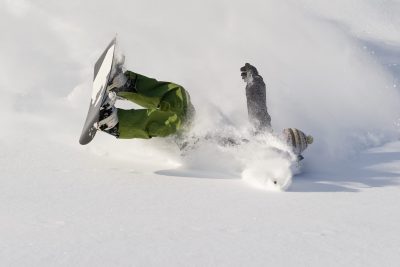
One of the common topics of conversations in snow-sports physio clinics, ski hire and retail outlets is: Do wrist guards work to prevent wrist injuries in snowboarders?
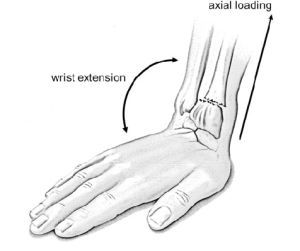
One common reply is that although they might prevent injury at the wrist, they will transfer the force further up the arm and cause forearm fractures, which can often be worse, so there’s no point in wearing them.
Another opinion is that wrist guards don’t work at all, so don’t even bother wearing them.

To find the answer we looked into the research and we found evidence at three levels:
- Epidemiological
- Empirical
- Clinical

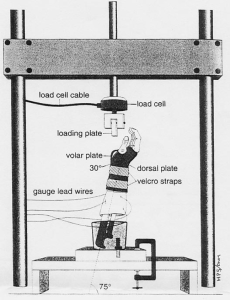
In a laboratory based study conducted by Staebler et. Al in 1999 a selection of arms were harvested from cadavers with one hand wearing a guard and one without the forearm was placed in a compression testing machine (similar to the ones IKEA use to test their furniture). The results showed that the hand wearing the guard required almost 3 x the amount of force to cause a fracture, so one tick for braces.
The second was a 10 year study involving surveys of over 7,000 snowboarders in Colorado, published in 2000 by Idzokowski et al, found that the incidence of wrist fractures was almost 50% lower amongst people who wore wrist guards. Beginners were at the highest risk, an astonishing 42% of wrist fractures happened on snowboarder’s very first day on a snowboard.
Finally, a controlled study was conducted by Roar Rønninget al where of 5029 snowboarders, 2515 in a 2515 in a braced group and 2514 in a control group.
Eight wrist injuries occurred in the braced group and 29 occurred in the control group – a significant difference.
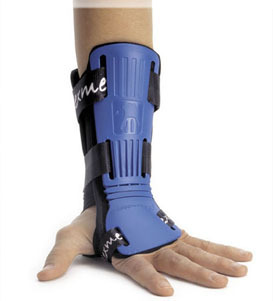
With three levels of evidence combined, we can reasonably assume that wrist guards are a great idea for snowboarders, especially for beginners, and especially for people with thin wrists.